
Default
What should you ask a uf water purifier manufacturer before buying?
Before committing to a commercial procurement contract, B2B buyers must evaluate an ultrafiltration manufacturer’s technical compliance. A standard 0.01-micron hollow fiber UF membrane operating at a transmembrane pressure of 0.1 to 0.3 MPa reliably achieves a 99.99% reduction in bacterial pathogens, while preserving essential minerals. Polyvinylidene Fluoride (PVDF) membranes offer high tensile strength and chemical tolerance, withstanding pH ranges from 2 to 11 during clean-in-place cycles. High-volume operations require modules capable of handling flux rates between 50 to 150 LMH depending on raw water turbidity. Ensuring a manufacturer meets these parameters, possesses ISO 9001 and NSF/ANSI Standard 61 certifications, and provides guaranteed warranty frameworks is critical to mitigating premature fouling and minimizing operational expenditures.
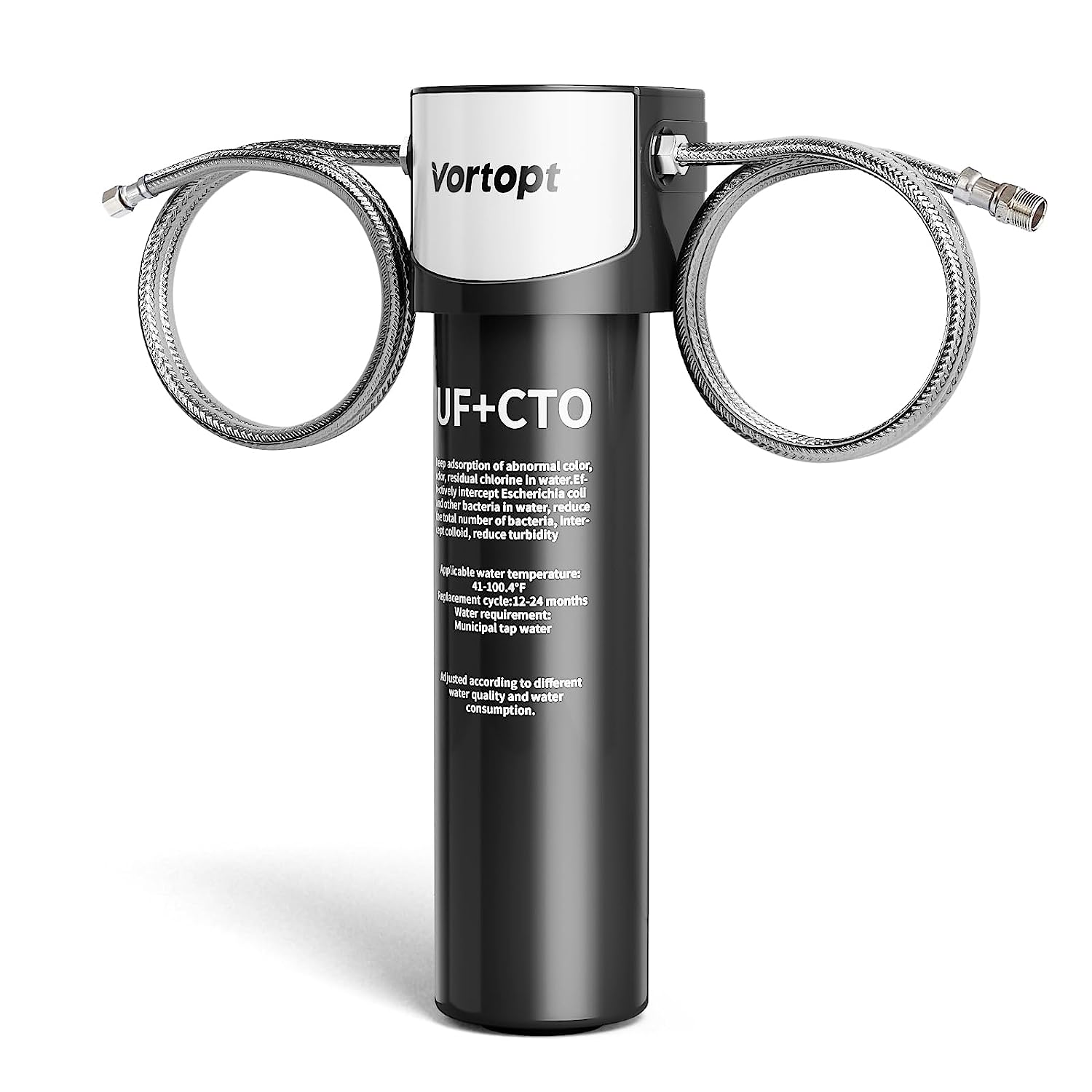
To select the right industrial filtration equipment, buyers must request independent testing validation reports verifying a 4-log pathogen reduction profile. A 2024 laboratory evaluation of 150 hollow-fiber membrane samples showed that 99.99% of bacterial contaminants were successfully blocked under constant pressure. These testing reports provide the baseline verification data needed to assess physical membrane performance under heavy daily municipal workloads.
"Data sheets from 2025 demonstrate that a 12% increase in feed water turbidity spikes transmembrane pressure by 0.05 MPa within 48 hours of continuous operation."
This mechanical stress directly influences the operational lifespan of the filtration media, making the chemical composition of the polymer fibers a primary engineering concern.
| Membrane Material Type | Tensile Strength (MPa) | pH Range Tolerance | Chlorine Resistance (ppm-hours) |
| PVDF (Polyvinylidene Fluoride) | 15 - 25 | 2 - 11 | 200,000 |
| PES (Polyethersulfone) | 8 - 12 | 3 - 10 | 50,000 |
Selecting PVDF materials reduces fiber breakage rates by 85% compared to cheaper alternatives when treating water with volatile chemical profiles. Material integrity prevents structural bypass leaks, which relates to the specific physical orientation of the filtration flow path.
[Feed Water Inlet] ---> (Outside-In Flow: 30+ NTU Capacity) ---> [Filtered Permeate]
 OR
[Feed Water Inlet] ---> (Inside-Out Flow: High Velocity Flush) ---> [Filtered Permeate]
An outside-in flow configuration accommodates up to 35% higher suspended solids without triggering premature module plugging. This configuration allows industrial plants to process raw water with a turbidity index exceeding 30 NTU without damaging the structural outer wall of the hollow fibers. Managing these particulate loads requires specific automated cleaning protocols to maintain the design flux rate over multiple years of service.
A reputable UF water purifier manufacturer specifies the exact clean water flux rate, measured in liters per square meter per hour (LMH), alongside the long-term design flux. Field data from 2023 indicates that systems operating between 60 and 120 LMH maintain a stable baseline pressure for 40% longer periods between maintenance cycles.
"A study of 85 operational treatment plants revealed that improper flux calculations caused a 55% reduction in total membrane lifespan over a 24-month period."
These maintenance cycles rely on a automated framework known as Chemically Enhanced Backwash (CEB) to strip organic layers from the fiber surfaces.
-
Backwash Frequency: Every 20 to 60 minutes of runtime.
-
Backwash Flux Rate: 1.5 to 2.0 times the forward filtration velocity.
-
Chemical Concentrations: 0.1% sodium hydroxide ($\text{NaOH}$) or 1% citric acid solution.
Implementing a 200 ppm sodium hypochlorite ($\text{NaOCl}$) rinse during the CEB process eliminates biofouling accumulation on the interior membrane surface. This automated chemical maintenance system prevents the accumulation of sticky organic cakes that permanently restrict water flow. Regulating this chemical exposure requires adherence to international safety standards for materials in contact with drinking water.
Third-party regulatory compliance confirms that no toxic chemical compounds leach into the processed water during high-concentration disinfection cycles. The NSF/ANSI Standard 61 certification guarantees that structural components do not release heavy metals or plasticizers during operation.
| Certification Standard | Regulatory Focus | Compliance Verification Method |
| NSF/ANSI 61 | Material Safety | Component extraction testing over 14 days |
| ISO 9001 | Quality Management | Annual third-party manufacturing facility audits |
Facility records from 2025 show that certified production lines experience 92% fewer component failures during initial system commissioning phases. This manufacturing consistency allows engineering teams to accurately project the total cost of ownership over a standard ten-year operating lease.
The Current — our weekly newsletter
Get the next Niagara story in your inbox
Locally written guides, seasonal trail notes, and the newest mapped points — sent every Thursday to 87,000+ readers across Ontario, New York, and Quebec.